The Wandsworth/Pankow (Berlin) Partnership
Join a new group working to get a partner for Wandsworth!
Context
The European Movement, Wandsworth & Merton branch has been working for some time to build up appetite locally for partnering one or both boroughs with a like-minded community elsewhere in Europe.
It’s long been clear that young people stand to gain the most from town partnerships. Actions by the British Government have seriously reduced opportunities for youth and cultural exchange in recent years, but we are about to turn the corner: we very much welcome the UK’s return to the Erasmus+ Programme just announced, even though participation won’t resume until 2027. We are also encouraged by the commitments made during the December 2025 State Visit to Britain by the German President regarding a UK-Germany Youth Summit and a grassroots sports exchange.
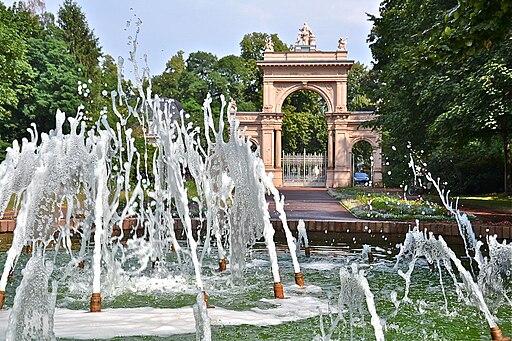
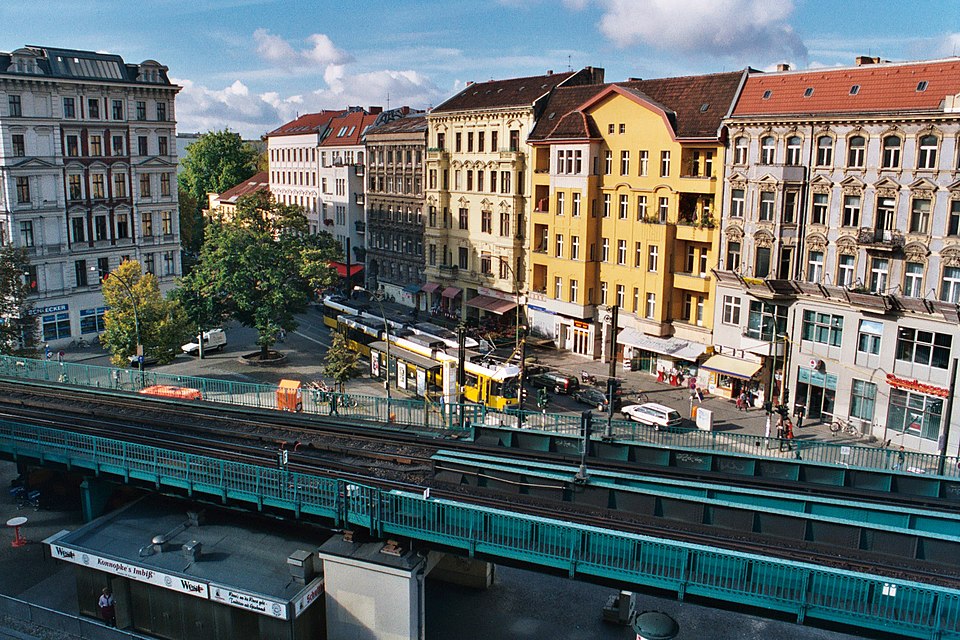
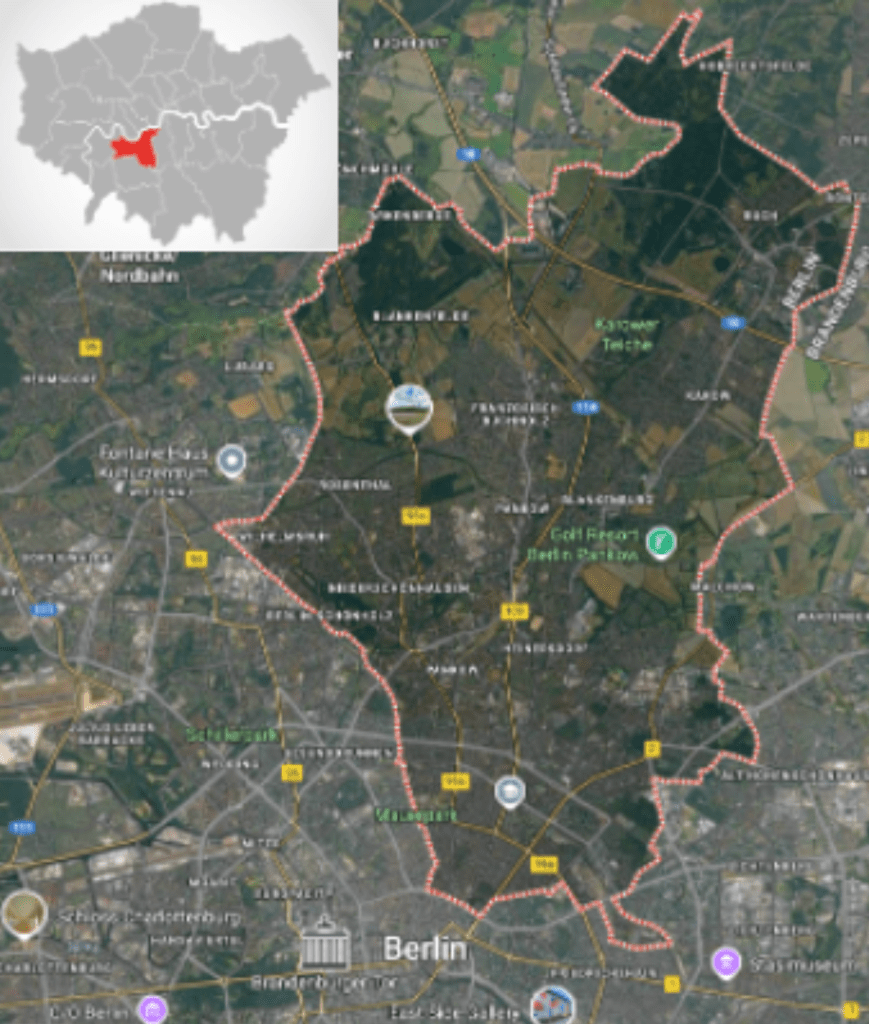
Our branch has been focusing on one particular opportunity. Having established that the north Berlin borough of Pankow makes a good match for Wandsworth on several counts, we paved the way for a formal approach made in June 2025 by the mayor of Pankow to the leader of Wandsworth Council, suggesting an exploratory meeting on the potential benefits of town twinning. Whilst this was welcomed, the Council leadership and elected members here are increasingly focused on the elections in May 2026; in the meantime, we are preparing the ground by highlighting the benefits for the education sector here from a new city partnership.
Why?
Education partnerships between schools and local authorities in Wandsworth and Berlin/Pankow, built on mutual interest and need, could bring learning opportunity to students and communities, specifically in citizenship and language learning.
Wandsworth, as a thriving, outward-facing London borough, can do much to prepare its young people for the challenges facing them in the urban environment. Pankow, as part of Berlin, has additionally a strong interest in enhancing English language competencies. We have an opportunity now through town partnership to work with Pankow to establish school-to-school links.
Language training and exposure to other countries and cultures is proven to help children and young people find wider opportunities, both during schooling and when they enter the workforce.
The withdrawal from Erasmus+ and introduction of strict immigration requirements by the UK government has hindered such exchanges but this appears to be changing, with the new government focusing on rebuilding links to help with youth/educational exchanges. We hope to learn more about the government’s plans in due course.
Four main components
School exchanges
|
Languages
|
Citizenship
|
Events
|
Cases studies! We are inspired by…
Guildford Twinned with Freiburg, SW Germany, since 1979. The Twinning Association helps facilitate links between schools and the university within the borough with their equivalents in Freiburg. They also help organise cultural events and exchanges. They work in close partnership with the council.
Richmond Richmond has had a very active twinning association in recent years thanks to our sister organisation Richmond in Europe, which has rebuilt connections with Konstanz (Germany) and Fontainebleau (France). They have also focused on facilitating links between schools and educational institutions, as well as regular exchanges and cultural events.
Getting this off the ground
- The key steps are:
- setting up a dedicated local Partnership Association
- engaging with schools and school associations
- identifying local organisations in London or Berlin that already have contacts, like sporting, cultural etc
- seeking support from the German Embassy, and the British-German Association
- in due course, Councils here or in Berlin
- Possible sources of funding:
- Local council grants in London/UK
- National/EU funding
- Possibly, corporate
 European Movement in Wandsworth and Merton

